
Did You Know? Adventure Sports and Outdoor Facts
Ever wondered who paddled the first raft, what a canopy tour really is or where you can ski with a view of the Mediterranean? This section collects short, practical guides to adventure and outdoor sports. Each article explains what the activity is, how it works, what equipment it needs and where you can try it in Türkiye, with a special eye on Antalya.
Adventure Sports in Plain Language
We keep the explanations simple and honest: no jargon without a definition, no exaggerated claims. If an activity is only suitable for experienced athletes, we say so. If it is something a family can try on holiday, we tell you where and how.
From rivers to the sky
You will find water sports such as rafting, wakeboarding and kite surfing, mountain activities like abseiling, caving and canyoning, and air sports including hang gliding and skydiving. Many of them can be combined with a day trip from Antalya, Side, Belek, Kemer or Alanya.
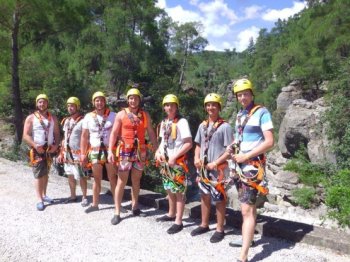
Ziplining has become one of the most popular soft-adventure activities in Türkiye. You glide along a steel cable from one point to another, high above a valley, river or forest, held safely in a harness. Did you know that a zipline needs no engine at all? Gravity does all the work, thanks to the slight downhill angle of the cable.
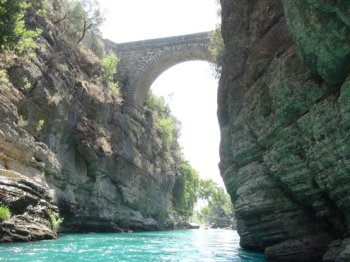
Most visitors come to Köprülü Canyon for rafting, but the gorge has a history that goes back thousands of years. The river that carries today's rafts was once a route for armies and traders, and the mountains above it hide the ruins of a city that never fell to Alexander the Great. Here is the story behind the national park.
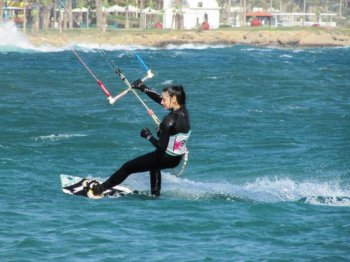
Kite surfing, or kiteboarding, combines a large steerable kite with a small board. The kite catches the wind and pulls the rider across the water, and experienced riders use it to jump several metres into the air. Did you know that most beginners spend their first lesson on the beach without a board at all, just learning to fly the kite?
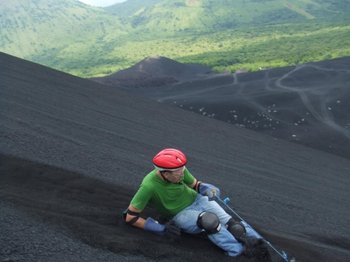
Volcanoes attract adventurers for good reason: black ash slopes, steaming craters and rocks that burn without stopping. Some of these experiences are extreme, others are an easy evening walk. Did you know that one of the world's most famous natural flames is not in a volcano at all, but on a hillside just a few hours from Antalya?
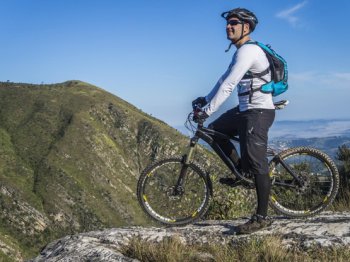
Mountain biking is cycling off-road on trails, forest roads and rocky paths. Downhill is its most extreme form: riders descend steep, technical courses as fast as possible, often after taking a lift or shuttle to the top. Did you know that professional downhill bikes have more suspension travel than many motorcycles used for trail riding?
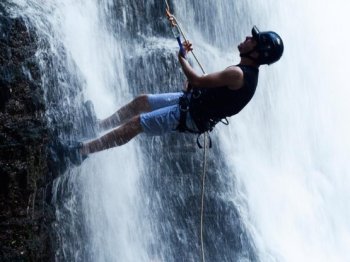
Abseiling, called rappelling in North America, is a controlled descent down a vertical face on a rope. It is a core skill in climbing, canyoning, caving and mountain rescue, and for many people it is also an adventure in its own right. Did you know that the technique is often credited to Jean-Estéril Charlet, a mountain guide from Chamonix, who developed it in the nineteenth century?
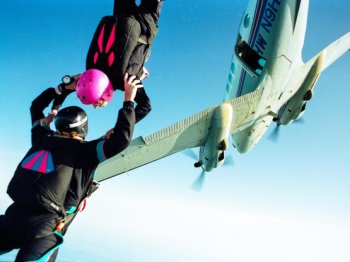
Skydiving is the sport of jumping from an aircraft, falling freely through the air and then opening a parachute to land safely. Today thousands of people make their first jump each year on a tandem skydive, strapped to an experienced instructor. Did you know that the first recorded parachute jump from a balloon took place over Paris in 1797?
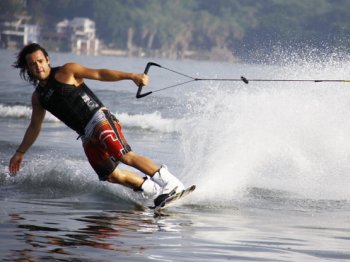
Wakeboarding and water skiing both involve being pulled across the water by a rope, yet they feel very different. Water skiers stand on two skis and face forward, while wakeboarders ride a single board sideways, much like a snowboarder. Did you know that wakeboarding only became popular in the 1980s, decades after water skiing was invented on a lake in Minnesota in 1922?
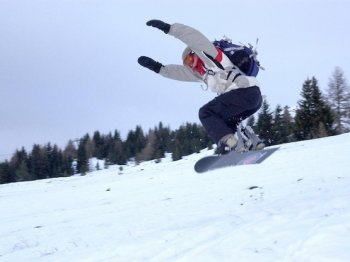
Did you know that in early spring you can ski in the mountains above Antalya in the morning and still reach the Mediterranean coast by the afternoon? Türkiye is better known for beaches, yet its high plateaus and volcanic peaks make it a serious winter sports destination. This guide explains the difference between skiing and snowboarding and introduces eight resorts worth knowing.
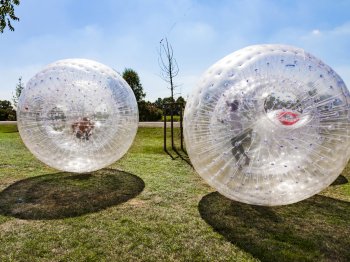
Zorbing means rolling down a grassy hill inside a giant transparent ball. It sounds strange, but it is one of the simplest adventure activities: no skill or training is needed, only a sense of humour. Did you know that the sport was invented in New Zealand in the 1990s, the same country that made commercial bungee jumping famous?
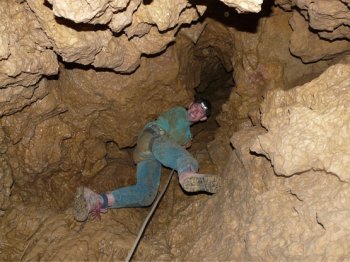
Caving, also called spelunking, means exploring natural caves for adventure, while speleology is the scientific study of caves. Türkiye is rich in limestone, and rain filtering through this rock over thousands of years has created a vast network of underground passages. Antalya alone has hundreds of known caves, from easy show caves to wild systems for trained cavers.
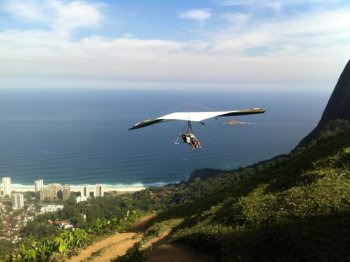
Hang gliding is unpowered flight with a lightweight wing. The pilot hangs in a harness below a triangular frame, launches by running down a slope and stays airborne by using rising air. Did you know that the basic idea was tested more than a century ago by German engineer Otto Lilienthal, who made over two thousand glides in the 1890s?
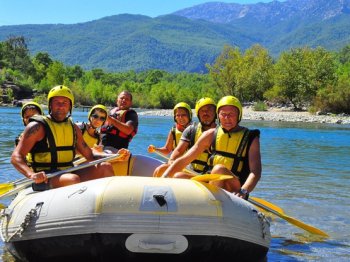
People have used rafts to cross and travel down rivers for thousands of years, long before anyone thought of it as a sport. Whitewater rafting as we know it today is surprisingly young: the inflatable boats, helmets and guided trips that tourists enjoy appeared only in the twentieth century. Here are eight facts that tell the story.
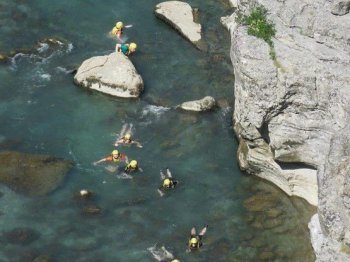
Three adventure words often confuse travellers: canyoning, canyoneering and canopy. They appear on the same tour lists, sometimes even in the same package, yet they describe quite different experiences. Did you know that two of them actually mean the same thing and only differ by where in the world you hear them?
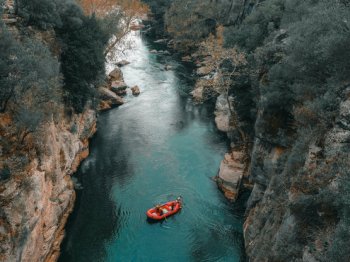
Türkiye's mountains are made largely of limestone, a rock that rivers dissolve and cut with remarkable ease. The result is a country full of canyons, from narrow slots you can wade through to deep gorges with roads carved into their walls. Here are seven facts that show how varied they are.
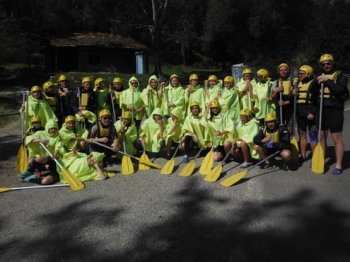
A canopy tour lets you travel through the treetops or across a valley by gliding along steel cables between platforms. It feels adventurous, yet it requires no experience or special fitness. Did you know that the idea grew out of methods scientists used to study rainforest canopies before it became a tourist activity?
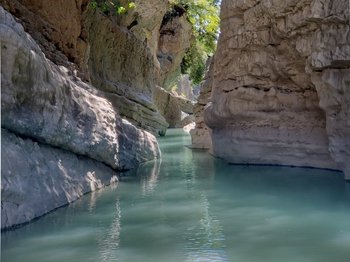
Canyoning means travelling down a river gorge on foot, by swimming, sliding, jumping and abseiling. The sport grew in the Alps and the Pyrenees in the late twentieth century and today attracts adventurers to gorges on every continent. Did you know that some of the most famous routes are only a few hundred metres long, yet take a whole day to complete?
 Line
 Call