
Caving in Türkiye: A Beginner's Guide
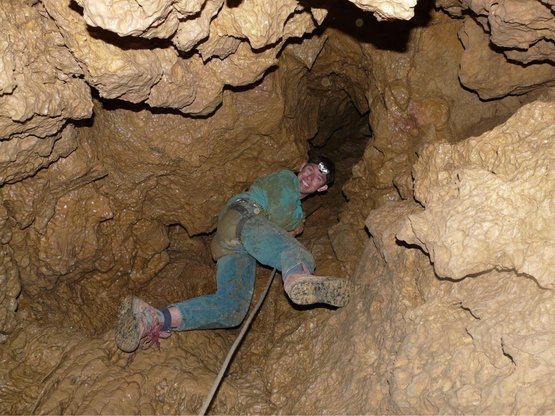
Caving, also called spelunking, means exploring natural caves for adventure, while speleology is the scientific study of caves. Türkiye is rich in limestone, and rain filtering through this rock over thousands of years has created a vast network of underground passages. Antalya alone has hundreds of known caves, from easy show caves to wild systems for trained cavers.
Show Caves and Wild Caves
A show cave has lighting, walkways and a ticket office, so anyone can visit it in normal shoes. A wild cave has no infrastructure: you crawl, climb and sometimes use ropes, and you must bring all your own light and equipment. Beginners should always start with show caves or join a guided trip run by an experienced team.
Basic equipment
For wild caving you need a helmet, a reliable headlamp plus spare light sources, sturdy boots, clothes that can get muddy and gloves. Experienced cavers follow a simple rule: carry at least three independent sources of light and never enter a cave alone.
Caves to Visit Around Antalya
- Karain Cave: one of Türkiye's most important prehistoric sites, with traces of human life going back tens of thousands of years.
- Altınbeşik Cave: near İbradı, famous for its underground lake and protected as a national park.
- Damlataş Cave: a small, humid cave in the centre of Alanya, discovered during quarry work.
- Dim Cave: a lit show cave above the Dim Valley near Alanya, with a walkway leading to a small lake.
- Zeytintaşı Cave: a dripstone cave near Aksu, close to the Antalya hotel zones.
Caving Safety and Respect
Caves are fragile. A stalactite can take centuries to grow a few centimetres, and touching it with oily hands stops the growth. Bats living in caves are protected and should not be disturbed. Tell someone where you are going and when you will return, and check the weather: heavy rain can flood some passages very quickly.
Combining caves with other activities
Many visitors combine a cave visit with a day of rafting or canyoning in the Taurus Mountains, where the same limestone creates deep gorges and cold springs. It is a good way to see how water shapes the landscape both above and below ground.
 Line
 Call