
Kite Surfing: Equipment, Wind and Where to Learn
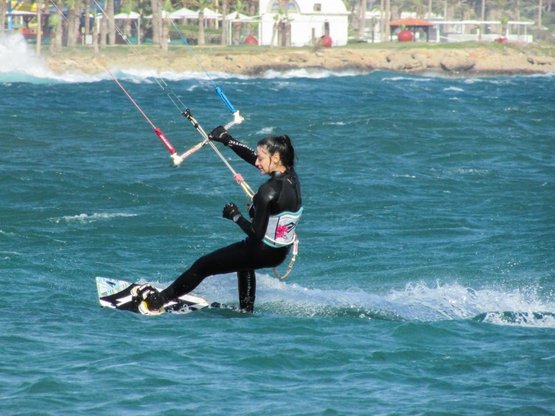
Kite surfing, or kiteboarding, combines a large steerable kite with a small board. The kite catches the wind and pulls the rider across the water, and experienced riders use it to jump several metres into the air. Did you know that most beginners spend their first lesson on the beach without a board at all, just learning to fly the kite?
Kite Surfing Equipment
- Kite: usually an inflatable kite, sized according to wind strength and rider weight.
- Bar and lines: the control bar connects to the kite with lines of about 20 to 25 metres.
- Harness: worn around the waist or hips so the body, not the arms, takes the pull.
- Board: a twin-tip board for learning, or a directional board for waves.
- Safety system: a quick-release that depowers the kite in an emergency.
How Much Wind Do You Need?
Kite surfing generally needs steady wind of roughly 12 to 25 knots. Too little wind and the kite will not stay up; too much and it becomes dangerous for beginners. Side-onshore wind, blowing towards the beach at an angle, is considered the safest direction for learning.
How lessons work
A typical beginner course takes several days. You learn to set up and fly a trainer kite, then practise body dragging in the water, and finally try to stand up on the board. Always learn at a certified school; a kite can generate enough power to lift and drag an untrained person.
Where to Kite Surf in Türkiye
The Aegean coast has the most reliable winds. Akyaka on the Gökova Gulf is known for a strong afternoon thermal wind, Alaçatı near Çeşme is a major windsurf and kite centre, and the island of Gökçeada attracts riders looking for quieter beaches.
What about Antalya?
The Antalya coast usually has lighter, more variable winds in summer, so it is better known for other water sports. If you want speed and a view from above on the Mediterranean, parasailing and boat trips are the easier options here.
 Line
 Call