
Antalya's Water Resources Explained
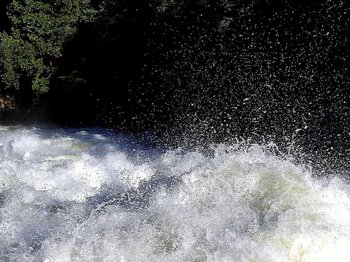
Antalya is one of the most water-rich parts of Türkiye, even though it has long, dry summers. The secret lies underground. The Taurus Mountains are made largely of limestone that acts like a giant sponge, storing winter rain and snow and releasing it through springs all year round. Did you know that the cliffs at Konyaaltı and Lara were built by this water over thousands of years?
A Karst Landscape
Limestone dissolves slowly in rainwater. Over time this creates cracks, caves, sinkholes and underground channels, a landscape known as karst. Water falling on the mountains disappears into the rock and can travel long distances underground before emerging at a lower level.
Giant springs
Where underground water meets less permeable rock, it bursts out as powerful springs. The Kırkgöz springs north of Antalya feed the Düden River, and the Dumanlı spring, now hidden beneath the Oymapınar reservoir, was once ranked among the largest karst springs in the world.
Rivers Fed From Below
Because they are fed by springs, Antalya's main rivers keep flowing through the dry summer. The Köprüçay, Manavgat and Düden carry cold, clear water even in August, which is why rafting and river trips are possible all year.
How Water Built the City
Spring water rich in dissolved calcium deposits a rock called travertine as it flows. Over thousands of years these deposits formed the wide terraces on which the city of Antalya stands. Where the terraces meet the sea, they end in steep cliffs, and the Lower Düden Waterfall still pours over them today.
Protecting a Precious Resource
Karst water is easy to pollute, because waste on the surface can quickly reach underground channels. Growing cities, agriculture and tourism all increase demand, so careful management is vital for the future.
What visitors can do
Use water carefully in hotels, never leave rubbish near rivers or springs and choose tours that respect protected areas such as Köprülü Canyon National Park.
 Line
 Call