
Lake Van: Türkiye's Largest Lake
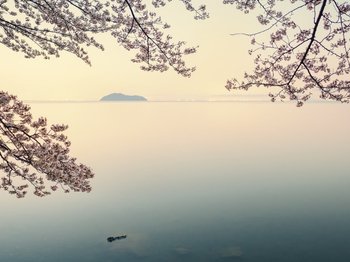
Lake Van in eastern Anatolia is the largest lake in Türkiye, covering an area of roughly 3,700 square kilometres. It sits at an altitude of about 1,640 metres, surrounded by volcanic mountains. Did you know that its water is so alkaline that locals once used it to wash clothes without soap?
Where Is Lake Van?
The lake lies in the provinces of Van and Bitlis, close to the Iranian border. Its basin has no outlet to the sea: water flows in from rivers and snowmelt but leaves only through evaporation. Over thousands of years this has concentrated salts and minerals in the lake.
How big and deep is it?
Lake Van is about 120 kilometres long from east to west at its widest extent, and its greatest depth is around 450 metres. It is one of the largest soda lakes in the world, meaning its water is both salty and strongly alkaline.
Why Is the Water Special?
The lake was formed when lava flows from the Nemrut volcano blocked its natural outlet. Because the water cannot escape, dissolved minerals such as sodium carbonate have built up. Very few fish can survive in these conditions. The best known is the pearl mullet, which swims up freshwater rivers to spawn every spring in a remarkable migration.
What to See Around the Lake
- Akdamar Island: home to the tenth-century Church of the Holy Cross, famous for its carved stone reliefs.
- Van Fortress: an ancient Urartian citadel above the city of Van.
- Nemrut Caldera: a volcano with crater lakes on the western shore.
- Van cats: the local breed, often with eyes of two different colours.
Türkiye's Other Large Lakes
The second largest is Lake Tuz in Central Anatolia, a very shallow salt lake that turns white in summer. Lakes Beyşehir and Eğirdir, a few hours' drive from Antalya, are the largest freshwater lakes in the Lakes Region and make a refreshing contrast to the coast.
 Line
 Call